
- Please select the card you wish to join
-
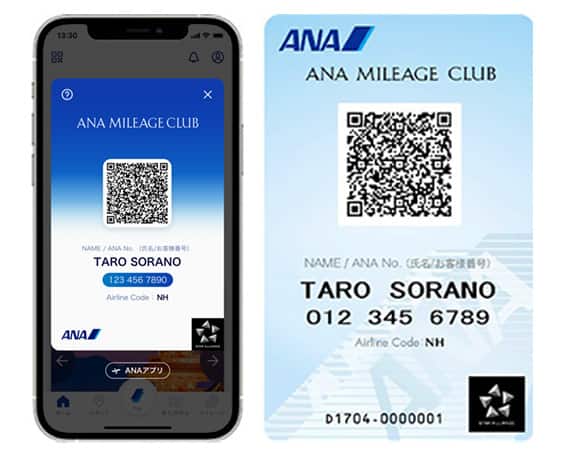
Get your digital card immediately
No enrollment or annual fees
ANA Mileage Club Card
Earn more miles for your money
With credit function
ANA Card











About the In-Flight Environment
Aircraft cruise in the stratosphere at an altitude of 9,000 to 12,000 meters. Although the cabin is adjusted with pressurization equipment, the atmospheric pressure and oxygen concentration differ from those on the ground, which may affect you depending on your physical condition.
When atmospheric pressure drops, gases in the body expand. Gases that are not (or cannot be) expelled from the body will expand during the flight, potentially compressing affected areas or internal organs, which can cause pain or difficulty breathing. In addition, as atmospheric pressure drops, the partial pressure of oxygen in the cabin (the oxygen pressure in the air) also drops to about 70-80% of that on the ground. Respiratory, cardiac, and cerebrovascular disorders, as well as severe anemia, are all affected by this decrease in oxygen concentration. A lack of oxygen can also have adverse effects on women in the late stages of pregnancy and newborns.
Customers who fall under the following categories should undergo a health checkup before traveling and consult their attending physician in advance regarding their fitness for air travel:
-
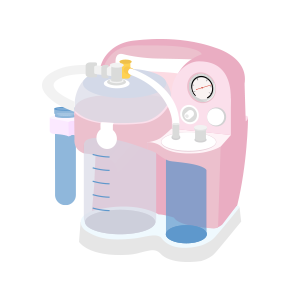
Customers using medical oxygen cylinders
-
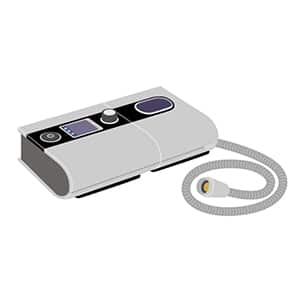
Customers using Portable Oxygen Concentrators (POCs) or ventilators
-
Customers using stretchers or incubators
-
Other customers deemed by ANA to require assistance

Conditions Requiring a Medical Certificate
In principle, customers in the following conditions are not fit to travel by aircraft.However, if your medical condition or physical state is stable and a physician determines and certifies that you are fit to fly using a "Medical Certificate" or similar document, you may be permitted to board. Please consult with us in advance.
-
Patients with severe cardiac disease, severe heart failure, or cyanotic heart disease (generally unfit within 6 weeks of onset).
-
Unstable angina or acute myocardial infarction (generally unfit within 2 weeks of onset).
-
Patients with severe respiratory disease, severe respiratory failure, severe chronic obstructive pulmonary disease (COPD), or patients with recent pneumothorax whose lungs are not fully expanded.
-
Those with repeated hemoptysis.
-
Patients in the acute phase of stroke (generally unfit within 4 weeks of onset).
-
Patients with head disorders causing increased intracranial pressure.
-
Patients with severe anemia.
-
Patients with hematemesis, melena, or intestinal obstruction.
-
Patients with severe otitis media.
-
Those whose wounds are not fully healed (such as from head, chest, or abdominal surgery) and those who have recently given birth.
-
Patients with alcohol or other intoxication whose symptoms are unstable.
-
Those with air or other gases remaining in the body after surgery, such as eye surgery.
-
Pregnant women within 28 days of their expected delivery date.
(If boarding within 14 days including the expected delivery date, presentation of a "Medical Certificate" issued within 7 days including the boarding date is required.) -
Newborn infants within 7 days of birth.
-
Those who fall within the suspension period for infectious diseases specified by the School Health and Safety Act.
| Disease | Period during which Attendance is Prohibited |
|---|---|
| COVID-19 | Until 5 days have passed after onset, and 1 day have passed after become less severe |
| Influenza | Until 5 days have passed after onset, and 2 days have passed after the temperature has dropped |
| Whooping cough | Until the characteristic cough has suppressed, or until the treatment with antibiotics has ended |
| Measles | Until 3 days have passed after the temperature has dropped |
| Mumps | Until 5 days have passed after onset of the swelling on parotid, submandibular, and sublingual gland |
| Rubella | Until eruption disappears |
| Chickenpox | Until all eruptions change to scabs |
| Pharyngoconjunctival fever | Until 2 days have passed after the main symptom disappears |
| Tuberculosis, Meningococcal meningitis, Epidemic keratoconjunctivitis, etc. | Until a physician confirms that there is no risk of infection anymore |
How to Prepare and Submit Your Medical Certificate
STEP 1. Download the medical certificate (PDF) to your computer.
STEP 2. Enter your information directly into the PDF form (or print it out and fill it in by hand).
STEP 3. Send the completed form to the ANA Disability Desk by email or fax.
Important Information Regarding the Medical Certificate
The medical certificate consists of 4 sections:
-
Pages 1 and 2: Instructions and reference materials.
-
Page 3 ("Necessary Arrangements for Boarding"): To be completed by the customer.
-
Page 4 ("Medical Certificate"): To be completed by the attending physician.
The medical certificate is valid if issued by a physician within 14 days, including the date of departure. For customers whose medical condition or symptoms are stable, a validity period can be specified on the certificate. As long as your boarding date falls within this validity period, we will accept the medical certificate even if it was issued more than 14 days prior. Please keep the valid medical certificate with you.
(Example) If your boarding date is December 15, a medical certificate issued on or after December 2 is valid.
For round-trip travel:
Please check the box regarding fitness to travel on the return flight and fill in your return flight schedule on the medical certificate. If this information is provided, the certificate will be valid for your return flight even if it falls outside the standard 14-day window.

Request for Advance Confirmation
To ensure a smooth boarding process on the day of your flight, please send your medical certificate in advance by fax or email to the ANA Disability Desk.If there is any missing or incomplete information, our staff will contact you. Therefore, please allow plenty of time and send it a few days prior to your departure. If advance confirmation cannot be completed by the ANA Disability Desk, please bring the medical certificate to the airport on the day of your flight and present it during the check-in process.



Adobe Acrobat Reader is required to view PDF format files.
If you have any questions or concerns please contact the ANA Disability Desk.





Member Login
Information for Members Logging In
- Before proceeding to log in, please be sure to read and accept the section on the purpose of using personal information in the ANA Privacy Policy.
- Points to note when using your AMC account.
Auto-Login with Cookies
- However, you will need to re-enter your password as a form of verification when making reservations, requesting awards, registering/revising personal information, and using other members-only functions.
-
The confirmation screen will reappear after closing all browser windows even if you checked "Do not show this screen again."
Entry of One-Time Password
If you have not received your one-time password
If your one-time password does not come through, please check your settings for receiving it and then re-send it.
If you do not do anything on the screen for a certain amount of time, you will have to request another one-time password.
Select your desired destination email address.
Do you really want to log out?
- If you click "Log Out," you will be logged out even if you have selected "Save Login Status."
- Close all open browser windows if you want to quit your session without logging out.
-
The confirmation screen will reappear after closing all browser windows even if you checked "Do not show this screen again."

ANA Biz is a business travel arrangement service.

-
MILES
-
ANA SKY COINS
-
Premium Point / Point on ANA /
-
Reservations
-
MILES
-
MILES
-
Login
-
Support